Exhibition
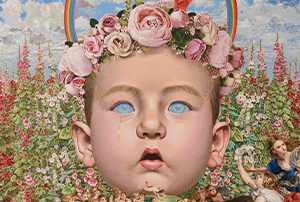
14 March - 5 April 2026
Around the nineteenth century, the concept of “pain” emerged as a central concern in the history of human thought. Arthur Schopenhauer, the German philosopher, once wrote that “pain and suffering are what give meaning to life.” This idea resonates deeply with Buddhist philosophy, which understands dukkha—suffering—as one of the fundamental conditions of existence: life is impermanent, marked by suffering, and devoid of an enduring self.
Anodynos (Free from Pain) takes this philosophical framework as a point of departure to reflect upon the contemporary human condition. Through a gaze that is at once detached, incisive, and questioning, the exhibition considers a world perceived by the artist as a blue, rocky planet adrift in the vast darkness of space—one saturated with pain and suffering seemingly beyond necessity. Humanity appears suspended between a meaningless past and an unpredictable future, bound within a condition from which there is no clear escape.
Within such a state, what humans are able to cling to—beyond the intelligence required for survival—may be nothing more than a form of “painkiller,” something that allows endurance in the face of life’s relentless brutality, day after day. The term Anodynos derives from Greek and forms the root of anodyne in medical terminology, referring to a drug or process that alleviates pain. In the context of this exhibition, Anodynos does not signify healing or cure. Rather, it denotes a fleeting condition of relief—an ephemeral suspension of suffering, just enough to allow existence to continue.
The works presented in this exhibition are populated by gods, mythical beings, and figures drawn from ancient legends and supernatural narratives. These references resonate strongly within the Thai cultural context, where beliefs in miracles, divine powers, and sacred forces permeate everyday life. Such beliefs function as a kind of cultural anodyne—not to resolve social afflictions, but to console individuals, enabling them to endure distortion, injustice, and the harshness of reality.
Visually, the works are characterized by vivid colors, lush beauty, and an intense painterly presence. Even as many pieces carry undercurrents of bitterness and sharp inquiry, their aesthetic allure operates as a form of relief in itself. This beauty does not offer solutions, nor does it promise redemption; instead, it creates a space in which viewers may momentarily forget their suffering—long enough to continue standing within the world for another day.
ราวคริสต์ศตวรรษที่ 19 แนวคิดเรื่อง “ความเจ็บปวด” ได้กลายเป็นประเด็นสำคัญในประวัติศาสตร์ความคิดของมนุษยชาติ Arthur Schopenhauer นักปรัชญาชาวเยอรมัน เคยกล่าวไว้ว่า “ความเจ็บปวดและความทุกข์ทรมานคือสิ่งที่มอบความหมายให้กับชีวิต” แนวคิดดังกล่าวสะท้อนอย่างลึกซึ้งกับพุทธปรัชญา ซึ่งมองว่า “ทุกข์” คือหนึ่งในแก่นสารของการดำรงอยู่—ชีวิตไม่เที่ยง เป็นทุกข์ และปราศจากตัวตนแท้จริง
นิทรรศการ Anodynos (ปราศจากความเจ็บปวด) หยิบยกกรอบคิดเชิงปรัชญานี้ขึ้นมาพิจารณาโลกและมนุษย์ร่วมสมัยผ่านสายตาที่ทั้งเยือกเย็น เฉียบคม และเปี่ยมด้วยการตั้งคำถามสำหรับศิลปินแล้ว โลกคือดาวเคราะห์หินสีน้ำเงินที่หมุนคว้างอยู่ท่ามกลางกาลอวกาศอันมืดมิด เต็มไปด้วยความเจ็บปวดและความทุกข์ทรมานที่ดูเกินความจำเป็น มนุษย์ถูกพันธนาการอยู่ระหว่างอดีตที่ไร้ความหมาย และอนาคตที่ไม่อาจคาดเดาได้
ท่ามกลางสภาวะเช่นนี้ สิ่งที่มนุษย์พอจะยึดเหนี่ยวไว้ได้ นอกจากสติปัญญาในการเอาตัวรอดแล้ว อาจเป็นเพียง “ยาแก้ปวด” ที่ช่วยให้สามารถอดทนต่อความโหดร้ายของชีวิตไปได้วันแล้ววันเล่า
คำว่า Anodynos มีรากศัพท์จากภาษากรีก และเป็นที่มาของคำว่า anodyne ในทางการแพทย์ ซึ่งหมายถึงยา หรือกระบวนการที่ใช้บรรเทาอาการเจ็บปวด ในบริบทของนิทรรศการนี้ “Anodynos” มิได้หมายถึงการรักษาหรือการเยียวยา หากแต่หมายถึงสภาวะชั่วขณะของการหลบหนีจากความเจ็บปวด—การทำให้ความทุกข์ทุเลาลงเพียงพอที่จะดำรงอยู่ต่อไปได้
ผลงานในนิทรรศการเต็มไปด้วยเรื่องราวของเทพเจ้า สิ่งมีชีวิตในปกรณัม และตำนานเหนือธรรมชาติ ซึ่งสามารถเชื่อมโยงกับบริบทของสังคมไทยได้อย่างชัดเจน ความเชื่อเรื่องอิทธิฤทธิ์ ปาฏิหาริย์ และสิ่งศักดิ์สิทธิ์ที่ทรงพลังเหนือมนุษย์ แทรกซึมอยู่ในทุกมิติของสังคม และทำหน้าที่ไม่ต่างจาก “ยาแก้ปวด” ทางวัฒนธรรม—มิใช่เพื่อแก้ไขความเจ็บป่วยของสังคม หากเพื่อปลอบประโลมให้ผู้คนสามารถทนต่อความบิดเบี้ยว ความไม่เป็นธรรม และความโหดร้ายของความเป็นจริงได้ต่อไป
ในเชิงทัศนศิลป์ ผลงานโดดเด่นด้วยสีสันสดใส งดงาม และเปี่ยมด้วยพลังทางจิตรกรรม แม้ภายในจะซ่อนความขมขื่นและการตั้งคำถามอย่างเข้มข้น ความงามเหล่านี้จึงทำหน้าที่เป็น “ยาบรรเทาอาการ” ในตัวมันเอง—มิได้นำเสนอทางออก หรือสัญญาการเยียวยา หากเปิดพื้นที่ให้ผู้ชมได้หลงลืมความทุกข์ทรมานไปชั่วขณะ เพื่อจะสามารถยืนหยัดอยู่กับโลกใบนี้ต่อไปได้อีกวัน
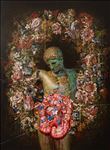
Narayana นารายณ์, 2025
Oil on linen,
175 x 130 cm
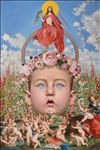
Last judgement over the garden of Venus, 2025
Oil on linen,
180 x 120 cm
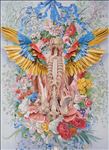
Garuda ครุฑ, 2025
Oil on linen,
170 x 125 cm
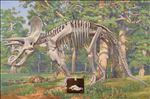
Cain and Abel, 2025
Oil on linen,
100 x 150 cm
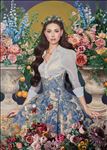
My Aphrodite, 2026
Oil on linen,
140 x 100 cm
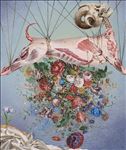
Marsyas as a still life, 2026
Oil on linen,
130 x 110 cm
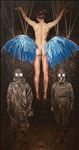
Kinnaree กินรี, 2025
Oil on linen,
150 x 80 cm
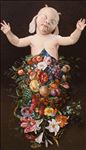
Baby little monster (Marsyas), 2025
Oil on linen,
120 x 70 cm
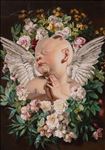
Baby little monster (Lucifer), 2025
Oil on linen,
100 x 70 cm
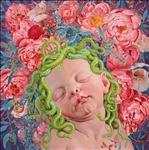
Baby little monster (Medusa), 2025
Oil on linen,
80 x 80 cm
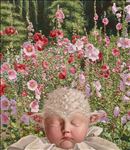
Baby little monster (Minotaur), 2025
Oil on linen,
80 x 70 cm
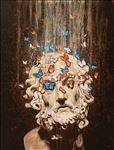
Homer, 2025
Oil on linen,
85 x 65 cm
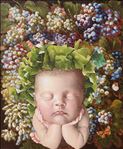
Dionysus, 2026
Oil on linen,
60 x 50 cm
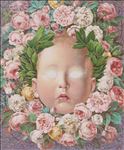
Apollo, 2026
Oil on linen,
60 x 50 cm